
i love to ride my bike, and had a trip planned to ride some of the great pyrenean mountains. six weeks of treatment and i was back on the bike.
richard townsendnewcastle great park
clinician · davephysiotherapy
back & spine · plain-english guide
one of our most frequently treated conditions — usually the result of poor posture and insufficient activity.






neck pain is one of our most frequently treated conditions. it often results from inadequate posture and insufficient physical activity — and like low back pain, it's highly responsive to physiotherapy.
extended sitting prevents synovial fluid secretion in spinal joints, causing stiffness. poor posture compresses the intervertebral discs, shifting the nucleus backward and potentially causing bulging — which can affect nearby pain-sensitive structures. additional causes include degenerative conditions such as osteoarthritis, traumatic injuries, and non-mechanical medical issues.
where the pain is
how it feels
makes it worse
usually helps
most cases of neck pain respond to a combination of self-management and targeted physiotherapy. here's how to tell which camp you're in.
try at home first
book an assessment
we start every journey with a thorough assessment — the right diagnosis is the foundation of successful treatment. depending on what we find, we typically combine several of the following:
physiotherapy is safe and effective for the vast majority of cases — but these signs mean you should contact your gp, 111, or a&e first.
a few words from patients we've treated for neck pain.
i love to ride my bike, and had a trip planned to ride some of the great pyrenean mountains. six weeks of treatment and i was back on the bike.
darren was quick and efficient at identifying my problem and actively working to solve it. great north run 2011.
i didn't think the great north run 2011 was going to happen for me. a few weeks with darren and it did.
no — you can book directly with us. if you're using private medical insurance (bupa, aviva, vitality, wpa, axa) your insurer may require a referral; check your policy before booking.
most patients resolve acute issues in three to six sessions. chronic or complex cases can take longer. we'll give you an honest timeline at your first assessment.
something you can move in — shorts and a t-shirt for lower-limb work, a vest for shoulders. we have changing rooms if you're coming straight from work.
most patients are seen within three working days. evening and saturday-morning slots are available but book up quickly.
book a 45-minute assessment online, or call 0191 217 1929 and our reception team will match you to the right clinician.
treatments for neck pain
most neck pain plans combine one or more of the following evidence-based treatments.
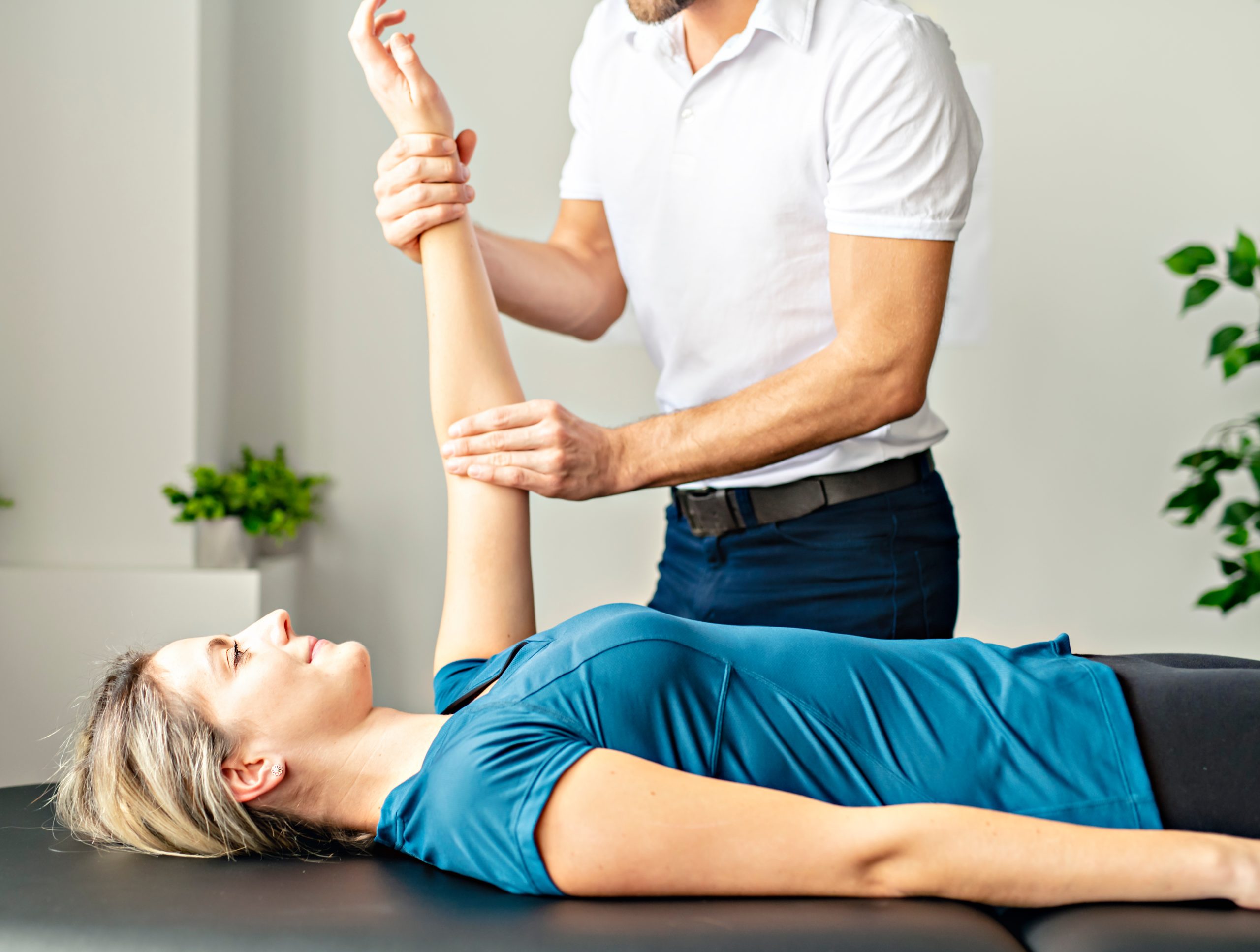
hands-on assessment and treatment for pain, injury, and long-term conditions. 45-minute initial consultation.

deep-tissue work to improve circulation, reduce doms, and keep you training without niggles.

aacp-certified practitioners using acupuncture alongside physiotherapy for pain, tension, and recovery.
related guides
conditions we see most often alongside neck pain.